.png)


Proteins, why they are crucial for your body and performance
April 1, 2026
Verwandte Angebote:
Proteins, why they are crucial for your body and performance
Proteins are among the most important building blocks of our body. They are not only relevant for muscle development, but also play a central role in almost all biological processes.
Proteins are often underestimated or used incorrectly, especially in connection with training, regeneration and health.
What are proteins anyway?
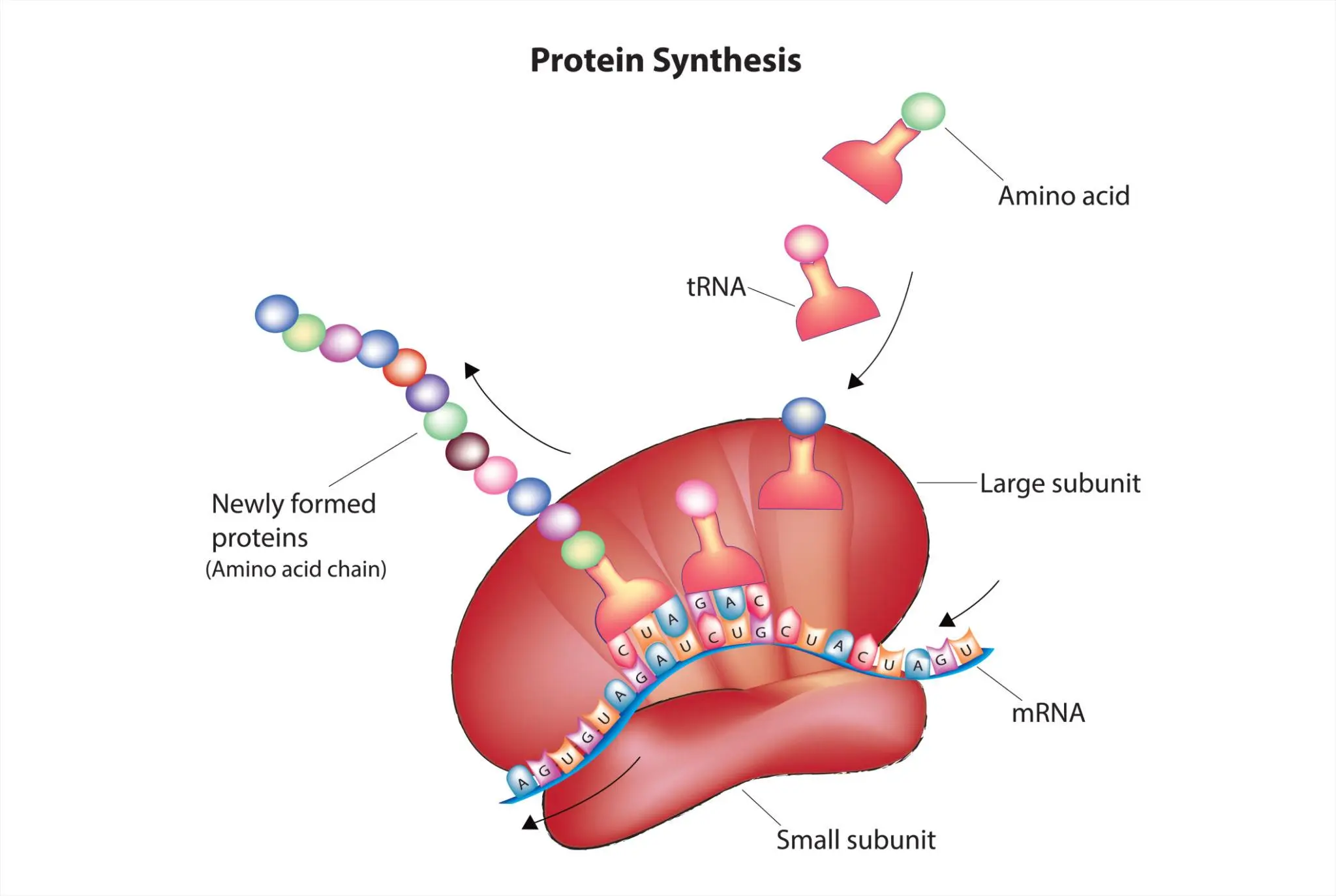
Proteins, also known as proteins, consist of so-called amino acids. These are the basic building blocks for:
- Muscles
- enzymes
- hormones
- Skin, Hair and Nails
- immune system
Without enough protein, the body can neither repair nor build up.
There are essential amino acids that the body cannot produce on its own. These must be ingested through food.
Why are proteins so important?
Muscle building and maintenance
Proteins provide the building blocks for muscle tissue. Especially after training, the body needs protein to repair micro-injuries in the muscle and come back stronger.
regeneration
After exercise, protein helps the body regenerate faster. Less muscle soreness, faster recovery.
fat loss
Proteins have a high thermal effect. This means that the body uses more energy during digestion. In addition, they ensure a longer feeling of satiety.
immune system
Many defense mechanisms in the body are based on proteins. A deficiency can increase vulnerability to disease.
The biological value! The often forgotten factor
A crucial point that many people overlook: Not every protein is of equal value to your body.
The so-called biological value Describes how well absorbed protein can be converted into the body's own protein.
That means:
- High-quality protein sources provide a complete amino acid profile
- The body can use them more efficiently
- Less “loss” in recycling
Exemples:
- Egg has a very high biological value
- Combinations such as rice and beans can complement each other
- Mixtures of plant and animal sources are often optimal
Quality is often more important than pure quantity.
High protein products, useful or marketing?
Many today use so-called “high protein” products. But it's worth taking a closer look here.
The reality:
- Many of these products only contain slightly increased amounts of protein
- They are often heavily processed
- The price is significantly higher compared to natural foods
Exemple:
“High protein yogurt” is often more expensive than normal protein sources such as eggs, low-fat quark or meat, but does not necessarily provide much added value.
Conclusion:
Natural foods are usually the better, cheaper and higher-quality choice.
How much protein do you really need?
The requirements depend heavily on your lifestyle:
- Normal daily life: approx. 0.8-1.0 g per kg body weight
- Sporty activity: approx. 1.5—2.0 g per kg
- Muscle building/diet: up to 2.2 g per kg
Exemple:
A person weighing 80 kg needs between 64 g and 176 g of protein per day, depending on the goal.
Good sources of protein
Animal sources:
- Meats
- Fish
- eggs
- dairy products
Plant sources:
- legumes
- Nuts and Seeds
- Tofu and tempeh
The combination of different sources ensures a complete amino acid profile and improved biological utilization.
When should you take protein?
Timing plays a role, but less so than often thought.
What is important is:
- regular distribution throughout the day
- Post-workout protein
- high-protein breakfast
The body can make better use of proteins when they are supplied evenly.
Conclusion: Proteins are the key to your progress
Proteins are much more than just a fitness issue. They are crucial for health, performance and regeneration.
Who not only on the crowd but also on the Quality and biological value Respect and not be blinded by marketing products, creates the best basis for sustainable progress.
With M&G coaching We support you with individual Dietary advice, training and structureto help you achieve your goals efficiently.



.webp)