.png)


Post-workout recovery
August 6, 2026
Verwandte Angebote:
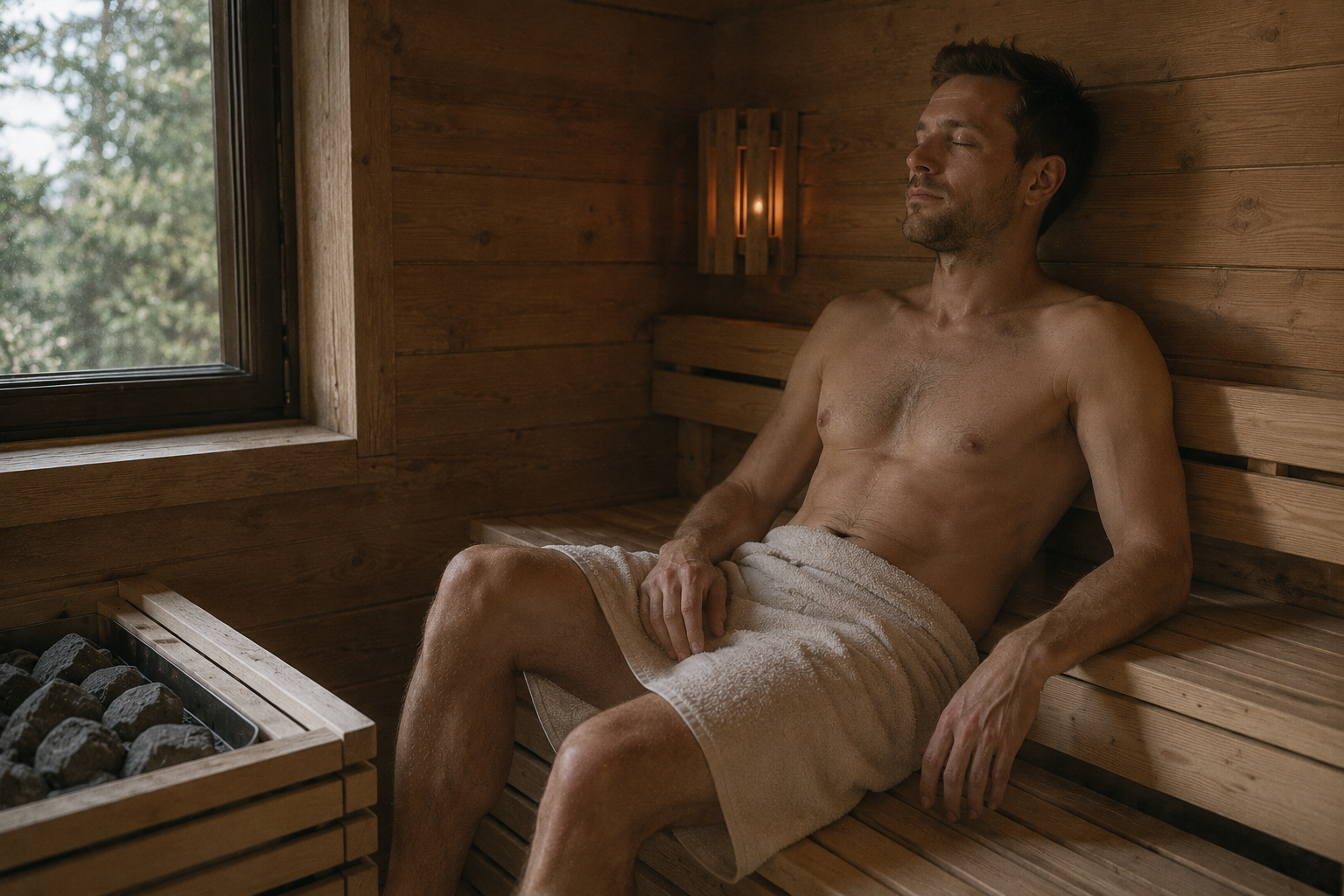
Why your body gets stronger during recovery!
Many people believe that progress happens exclusively during training. In reality, the opposite is true: actual muscle growth, performance gains, and regeneration only occur after your workout.
If you don't give your body enough recovery time, you not only risk poorer training results but also increase the likelihood of injuries, overexertion, and chronic fatigue.
What does regeneration mean?
Regeneration describes the time during which the body recovers from physical exertion and adapts.
During this phase:
- damaged muscle structures are repaired
- energy reserves are replenished
- inflammatory processes are regulated
- hormones are normalized
- the nervous system is relieved
Only then is the body ready for the next training stimulus.
Why is regeneration so important?
Training causes minor stress to your muscles and connective tissue. This is intentional, as it is exactly how your body adapts.
However, without sufficient recovery, these adaptations cannot take place fully.
The consequences can include:
- Decreased performance
- Persistent muscle soreness
- Fatigue
- Sleep issues
- Increased risk of injury
- Stagnant muscle growth
That is why recovery is just as important as the training itself.
Supercompensation
After a training stimulus, performance initially drops slightly.
During recovery, the body not only repairs the stressed structures but actually improves them. This process is called supercompensation.
Those who train again at the right time benefit from this performance boost.
However, if the next training session occurs too early or too late, some of that potential remains untapped.
The most important factors for optimal recovery
Sleep
Sleep is the most important recovery measure of all.
During the night, growth hormones are released, among other things, which support muscle growth and tissue repair.
We recommend:
- seven to nine hours of sleep
- a consistent sleep schedule
- a quiet sleeping environment
Nutrition
After training, your body needs high-quality nutrients.
Especially important are:
- protein for your muscles
- carbohydrates to replenish energy stores
- healthy fats
- vitamins and minerals
A balanced diet supports recovery and muscle growth.
Hydration
Even mild dehydration can slow down your recovery.
Drinking enough fluids helps with:
- metabolism
- nutrient delivery
- temperature regulation
- flushing out metabolic waste products
Active recovery
A rest day doesn't have to mean complete inactivity.
Light activity can help boost circulation.
This includes:
- walking
- easy swimming
- Cycling
- Mobility training
- Light stretching
Can a medical massage help?
Yes.
A medical massage can be a useful way to support recovery.
It can:
- Reduce muscle tension
- Improve mobility
- Promote circulation
- Relieve pain
- Increase overall well-being
It can be a valuable addition, especially after intense training phases or when dealing with muscular issues.
How can you tell if your recovery is insufficient?
Typical signs include:
- persistent fatigue
- declining training performance
- frequent muscle tension
- sleep problems
- loss of motivation
- increased susceptibility to injury
Taking these signals seriously and giving your body enough rest will lead to greater long-term training success.
Recovery is part of a healthy lifestyle
A healthy lifestyle consists of more than just intense training.
Equally important are:
- balanced nutrition
- regular exercise
- sufficient sleep
- stress management
- recovery phases
Only the interplay of these factors enables long-term health and performance.
Conclusion
Training provides the stimulus, while recovery drives the progress.
Consciously planning your recovery phases not only improves muscle growth and performance but also reduces the risk of injury and overtraining.
At M&G Coaching, we develop personalized training and recovery plans tailored to your goals, your daily routine, and your physical needs. Because sustainable success isn't about training as hard as possible—it's about finding the right balance between exertion and recovery.